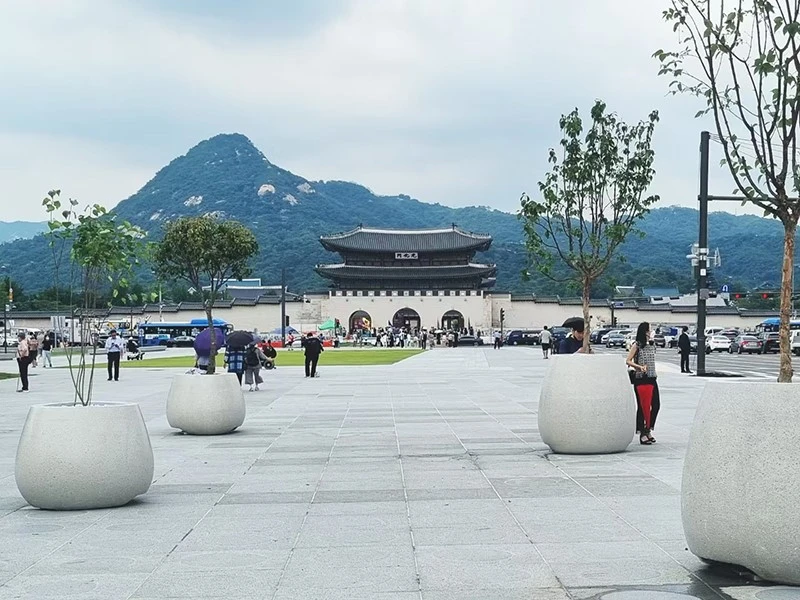
Introduction To Flower Boxes
May 18, 2026
Leave a message
Originally serving the same purpose as flowerpots or vases-which were typically made of ceramic or plastic-modern "flower boxes" are now crafted from sturdier, more durable, and aesthetically pleasing materials to meet the demands of urban landscaping. They have become an essential element of city streetscapes.
Types of Flower Boxes
Fiberglass-Reinforced Plastic (FRP)
Also known as glass-reinforced plastic, this material uses glass fibers (or related products) for reinforcement. Fiberglass flower boxes are lightweight yet strong, corrosion-resistant, easy to design and manufacture, and can be produced via single-step molding.
Reinforced Concrete
These are created by combining concrete with lightweight aggregates. They offer realistic colors and textures, exceptional durability, low maintenance, and theft resistance, blending harmoniously with the natural environment. These wood- and stone-effect landscaping products serve practical functions-such as serving as landscaping fixtures or outdoor leisure amenities-while beautifying the surroundings, making them highly popular with users.
With their realistic, natural appearance, these flower boxes infuse cultural plazas, parks, and residential communities with a rich artistic atmosphere.
Solid Wood
Solid wood is a primary material for flower boxes due to its ease of processing, variety of styles, and affordability. However, because untreated solid wood is prone to outdoor decay and paint peeling-and to promote environmental conservation-new materials are increasingly being adopted for these products.
Plastic Composites
These are manufactured using recycled plastic combined with wood flour (or plant stalks like wheat straw) and other additives. This process contributes significantly to plastic recycling efforts. Flower boxes made from this material are resistant to rot and insect damage, easy to process, and are increasingly becoming a mainstream alternative to natural wood.