

Can PC floor tiles be used in restaurants?
Sep 11, 2026
Leave a message
PC floor tiles, also known as precast concrete floor tiles, have gained significant popularity in recent years due to their durability, versatility, and aesthetic appeal. As a supplier of PC floor tiles, I often receive inquiries about their suitability for various applications, including restaurants. In this blog post, I will explore the feasibility of using PC floor tiles in restaurants, discussing their advantages, potential challenges, and design considerations.
Advantages of Using PC Floor Tiles in Restaurants
Durability
Restaurants are high - traffic areas where the floors are subjected to constant foot traffic, spills, and heavy equipment movement. PC floor tiles are renowned for their exceptional durability. They are made from high - strength concrete, which can withstand the wear and tear associated with a busy restaurant environment. Unlike some other flooring materials, PC floor tiles are less likely to crack, chip, or scratch, ensuring a long - lasting and visually appealing floor surface.
Hygiene
Maintaining a clean and hygienic environment is crucial in restaurants. PC floor tiles have a smooth and non - porous surface, which makes them easy to clean and disinfect. Spills can be quickly wiped up, and regular mopping can keep the floors free from dirt, bacteria, and other contaminants. This is especially important in areas where food is prepared and served, as it helps to prevent the spread of foodborne illnesses.
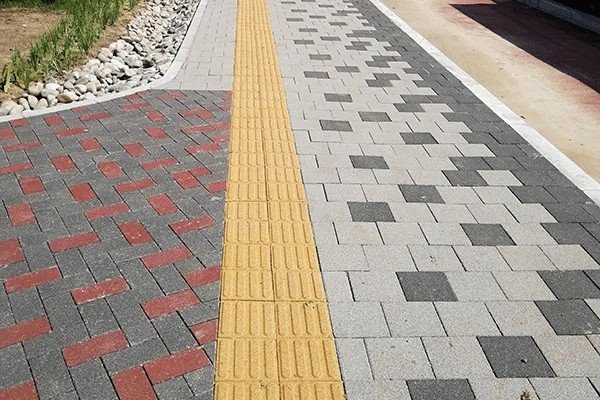

Aesthetic Versatility
PC floor tiles come in a wide range of colors, patterns, and textures, allowing restaurant owners to create a unique and inviting atmosphere. Whether you're aiming for a modern, industrial look or a more traditional, rustic feel, there is a PC floor tile option to suit your design vision. For example, Outdoor Concrete Floor Tiles can bring a natural and earthy element to the restaurant, while Antique - Style Floor Tiles can add a touch of old - world charm.
Cost - Effectiveness
In the long run, PC floor tiles can be a cost - effective flooring solution for restaurants. Their durability means that they require less frequent replacement compared to some other flooring materials, reducing the overall cost of ownership. Additionally, the installation process for PC floor tiles is relatively straightforward, which can save on labor costs.
Potential Challenges of Using PC Floor Tiles in Restaurants
Slipperiness
One of the main concerns when using PC floor tiles in restaurants is the potential for slipperiness, especially when the floors are wet. This can pose a safety hazard to both customers and staff. However, many PC floor tiles are available with anti - slip finishes, which can significantly reduce the risk of slips and falls. It is important to choose tiles with an appropriate anti - slip rating for a restaurant environment.
Noise
Concrete floor tiles can be quite noisy, especially in a busy restaurant where there is a lot of foot traffic and the movement of chairs and tables. This can be a drawback for some restaurant owners who are looking to create a more quiet and comfortable dining experience. To mitigate this issue, underlayment materials can be used during the installation process to absorb some of the noise.
Coldness
PC floor tiles can feel cold underfoot, which may not be ideal for a restaurant, especially in colder climates. This can be addressed by using floor heating systems, which can provide a warm and comfortable surface for customers and staff.
Design Considerations for Using PC Floor Tiles in Restaurants
Color and Pattern
The color and pattern of the PC floor tiles should complement the overall design theme of the restaurant. For a modern and minimalist restaurant, Dot - Pattern Concrete Floor Tiles or Strip - Pattern Concrete Floor Tiles can create a sleek and contemporary look. On the other hand, for a more traditional or rustic restaurant, Full - Body Concrete Floor Tiles with earthy tones can add a warm and inviting atmosphere.
Size and Layout
The size and layout of the PC floor tiles can also have a significant impact on the visual appeal of the restaurant. Larger tiles can create a more spacious and open look, while smaller tiles can add a sense of detail and texture. The layout of the tiles, such as a herringbone or basketweave pattern, can also enhance the overall design of the floor.
Integration with Other Elements
The PC floor tiles should be integrated seamlessly with other elements of the restaurant, such as the walls, furniture, and lighting. For example, if the restaurant has a lot of wood elements, the floor tiles can be chosen to complement the wood tones. Similarly, the lighting can be used to highlight the texture and color of the floor tiles.
Conclusion
In conclusion, PC floor tiles can be a great choice for restaurants. They offer a number of advantages, including durability, hygiene, aesthetic versatility, and cost - effectiveness. However, there are also some potential challenges, such as slipperiness, noise, and coldness, which need to be addressed. By carefully considering the design aspects and choosing the right type of PC floor tiles, restaurant owners can create a beautiful, functional, and safe flooring solution.
If you're interested in using PC floor tiles for your restaurant, I encourage you to reach out to discuss your specific needs. Our team of experts can provide you with detailed information about our products, help you choose the right tiles for your project, and offer guidance on installation and maintenance. Let's work together to create the perfect flooring for your restaurant.
References
- "Concrete Flooring in Commercial Spaces" by Building Materials Journal
- "The Benefits of Precast Concrete Tiles" by Construction Industry Review
- "Designing with Concrete Tiles in Restaurants" by Interior Design Magazine