

Can I install floor tiles myself?
Sep 08, 2026
Leave a message
Embarking on a home improvement project, such as installing floor tiles, can be both thrilling and a touch intimidating. As a seasoned floor tile supplier deeply engaged in this industry, I often encounter the frequently - asked question: "Can I install floor tiles myself?" Today, I'll walk you through various aspects of self - installing floor tiles, from the positives and negatives to step - by - step guides and the types of tiles that might be more accommodating for DIYers.
Advantages of Self - installing Floor Tiles
One of the most appealing reasons for many homeowners to install floor tiles themselves is the potential cost savings. When you hire a professional tiler, you're not only paying for the materials but also for labor, which can be quite substantial. By taking on the project yourself, you can significantly reduce the overall cost of the renovation.
Another benefit is the sense of accomplishment. There's nothing quite like looking at a newly tiled floor and knowing that you did it all by yourself. It gives you a personal connection to your home and can boost your confidence in taking on future DIY projects.
Self - installation also allows for more flexibility in terms of time. You can work at your own pace, taking breaks when you need them and fitting the project around your schedule. This is especially useful if you have a busy life and can only work on the tiling in your spare time.
Disadvantages of Self - installing Floor Tiles
However, self - installation isn't without its drawbacks. The biggest risk is the possibility of mistakes. Improper tile installation can lead to uneven floors, tiles that come loose over time, or grout lines that look unprofessional. These issues can be not only aesthetically unpleasing but also costly to fix.
Tiling requires a set of specific skills and tools. If you're not experienced in using tools like a tile cutter, wet saw, or trowel, you might find it difficult to achieve a high - quality finish. Additionally, some types of tiles are more challenging to install than others, and a lack of experience can make the process even more frustrating.
It's also important to note that tiling can be physically demanding. You'll be on your hands and knees for long periods, lifting heavy boxes of tiles, and applying pressure to set them in place. This can take a toll on your body, especially if you're not accustomed to such physical labor.
Types of Floor Tiles Suitable for DIY Installation
Some types of floor tiles are more forgiving for novice DIYers. For instance, Antique - Style Floor Tiles are often larger in size, which means fewer cuts and less grout work. Their rustic appearance can also help to hide minor imperfections that might occur during installation.

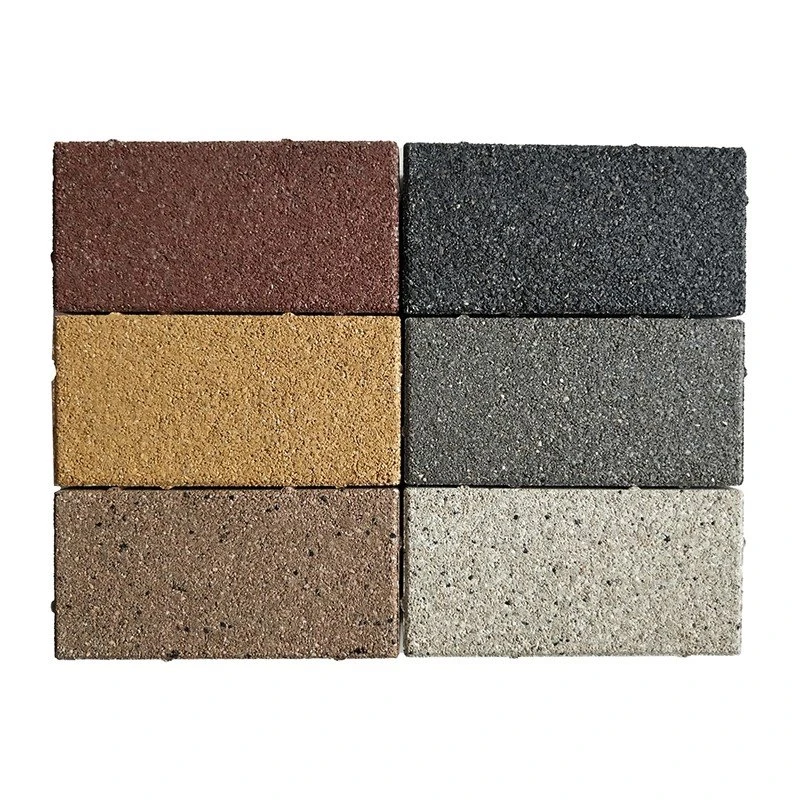
Full - Body Concrete Floor Tiles are another great option. They are relatively easy to handle and can be installed using standard tiling techniques. Their durability makes them suitable for high - traffic areas, and they come in a variety of colors and textures to match your home decor.
Outdoor Concrete Floor Tiles can also be a good choice for DIYers. Since they are designed for outdoor use, they are more forgiving when it comes to small irregularities in the subfloor. However, make sure to follow the manufacturer's instructions for proper installation to ensure they can withstand the elements.
Step - by - Step Guide to Self - installing Floor Tiles
- Prepare the subfloor: The first and most crucial step is to ensure that the subfloor is clean, flat, and free of debris. Remove any old flooring, nails, or adhesives. If the subfloor is uneven, you may need to use a self - leveling compound to create a smooth surface.
- Measure the area: Accurately measure the area where you'll be installing the tiles. This will help you determine how many tiles you need to purchase. Remember to add a little extra (about 10%) to account for waste and cuts.
- Plan the layout: Before you start laying the tiles, plan the layout. This involves finding the center of the room and working out from there. You can use a chalk line to mark the centerlines and create a guide for tile placement.
- Mix the adhesive: Follow the manufacturer's instructions to mix the tile adhesive. Use a large bucket and a drill with a mixing paddle to ensure a smooth and consistent mixture.
- Apply the adhesive: Use a notched trowel to apply the adhesive to the subfloor. Rake the trowel at a 45 - degree angle to create ridges in the adhesive. This will help the tiles adhere better.
- Lay the tiles: Start in the center of the room and work your way out. Press each tile firmly into the adhesive, using a rubber mallet if necessary to ensure it's level with the others. Use tile spacers to maintain even grout lines.
- Cut the tiles: Use a tile cutter or a wet saw to cut the tiles to fit around edges, corners, and obstacles. Make sure to wear appropriate safety gear, such as goggles and gloves, when cutting tiles.
- Let the adhesive dry: Allow the adhesive to dry completely according to the manufacturer's instructions. This usually takes 24 - 48 hours.
- Apply the grout: Mix the grout according to the package instructions. Use a grout float to apply the grout over the tiles, pressing it into the joints at a 45 - degree angle. Wipe away the excess grout with a damp sponge.
- Seal the grout: Once the grout has dried, apply a grout sealer to protect it from stains and moisture.
When to Call a Professional
While self - installing floor tiles can be a rewarding experience, there are times when it's best to call a professional. If you're dealing with a complex layout, such as a circular or diagonal pattern, professional tilers have the skills and experience to ensure a flawless finish.
Similarly, if you're installing delicate or expensive tiles, like PC Floor Tiles or Dot - Pattern Concrete Floor Tiles, a professional can handle them with care and precision to avoid costly mistakes.
If you're unsure about any aspect of the installation process, or if you just don't have the time or physical ability to take on the project, it's wise to hire a professional. They can save you time, money, and the stress of potential mistakes.
Conclusion
In conclusion, whether you can install floor tiles yourself depends on your skill level, experience, and willingness to learn. If you're a handy person with some DIY experience and are up for a challenge, self - installation can be a great way to save money and add a personal touch to your home. However, it's important to weigh the pros and cons and know when it's appropriate to call in a professional.
As a floor tile supplier, I'm here to assist you every step of the way. Whether you're looking for advice on tile selection, installation tips, or just need help with quantity calculations, feel free to reach out to us for a professional consultation and to start the procurement negotiation process. We're dedicated to helping you achieve the perfect floor for your home.
References
- "The Complete Guide to Tile Installation" by HomeAuthority Publishing
- "Understanding Tile Materials and Installation" by Tile Industry Association